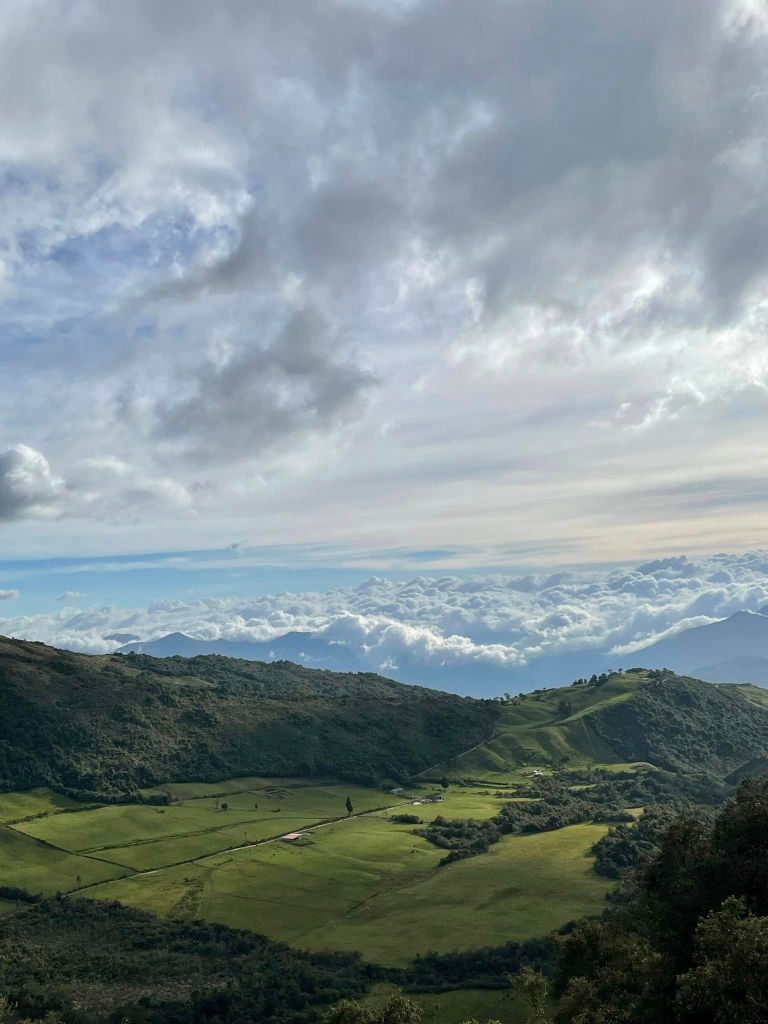
I opened the curtains in the living room, allowing the Andean sun to stream into my apartment. The rays of light shot across the tile floor like a spotlight featuring my aloneness.
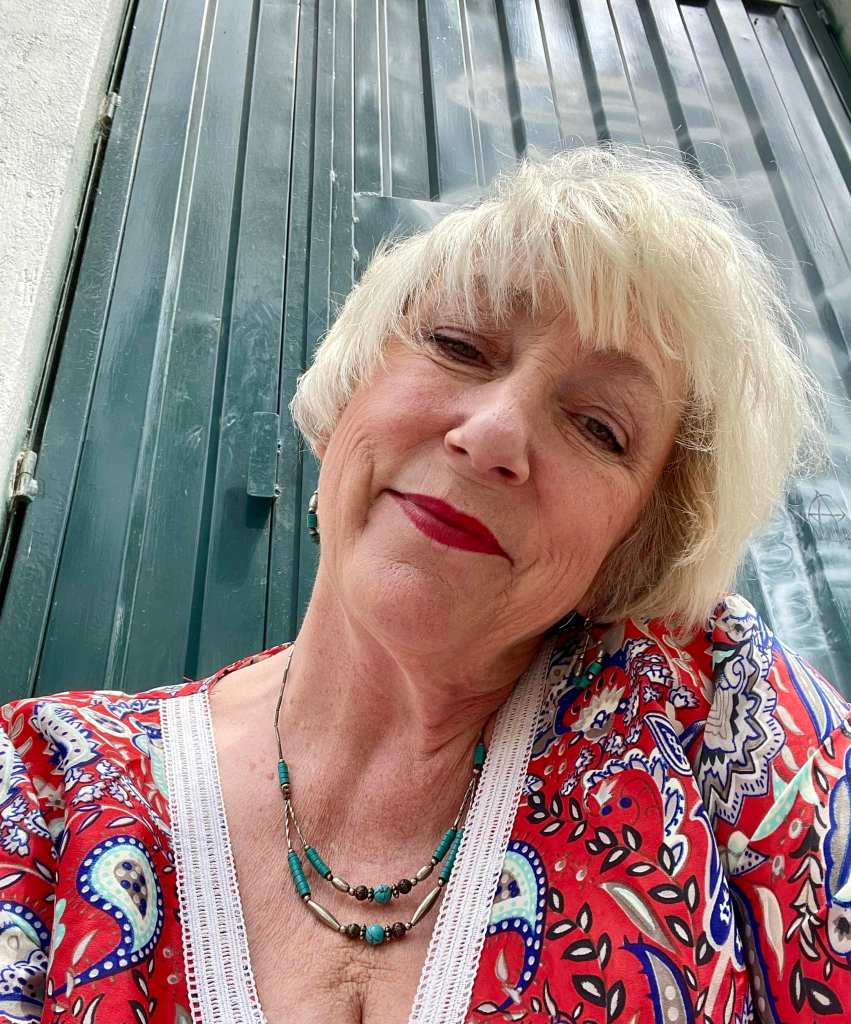
I had dropped my son at the Quito airport the night before, thanking him for helping me with my move to another continent. I put on a brave face, but I cried silently in the backseat of the taxi, second-guessing myself and my decision. The stark morning light of my first day alone in Cotacachi filled me with both apprehension and elation simultaneously. I got dressed and put on red lipstick (as my Mama taught me to do whenever I needed a power boost). And that’s how my adventure began three and a half months ago.
Why would a middle-aged, single woman with two cats want to move to a third-world country where she has no friends or family? What is so special about Ecuador, this little gem about the size of Colorado, tucked between Colombia and Peru?
I moved here from Arkansas, a state where many people couldn’t even identify Ecuador on a map. Over and over, people have looked me in the eye incredulously and asked, “But why there?”
The only honest answer I can give is “It’s difficult to explain.” So I think my first blog post should attempt to answer this question by focusing on three specific reasons I sold almost all my possessions and moved to another continent. I hope this blog will inspire my readers to follow their own dreams–wherever they may lead.

Spiritual Reasons
I first read about Cotacachi, Ecuador, in International Living magazine in the 1990s. I was in my second unhappy marriage, and I thought, “That sounds magical. I’m going to go there someday.” From that moment, the Cotacachi seed was planted in my consciousness and lay there dormant for nearly thirty years. In 2017, I brought a group of college students to the Galapagos Islands, which belongs to Ecuador. I told our tour guide, “I’m going to move to Cotacachi one day.” He grinned at me as if to say, “Sure you are.” But he said, “Let me know when you come back.” He was the only person I knew in the entire country when I came back to visit Cotacachi five months before I moved here. But I knew in the core of my being that I belonged here.
Mountains, Rivers, Ruins, and Clouds
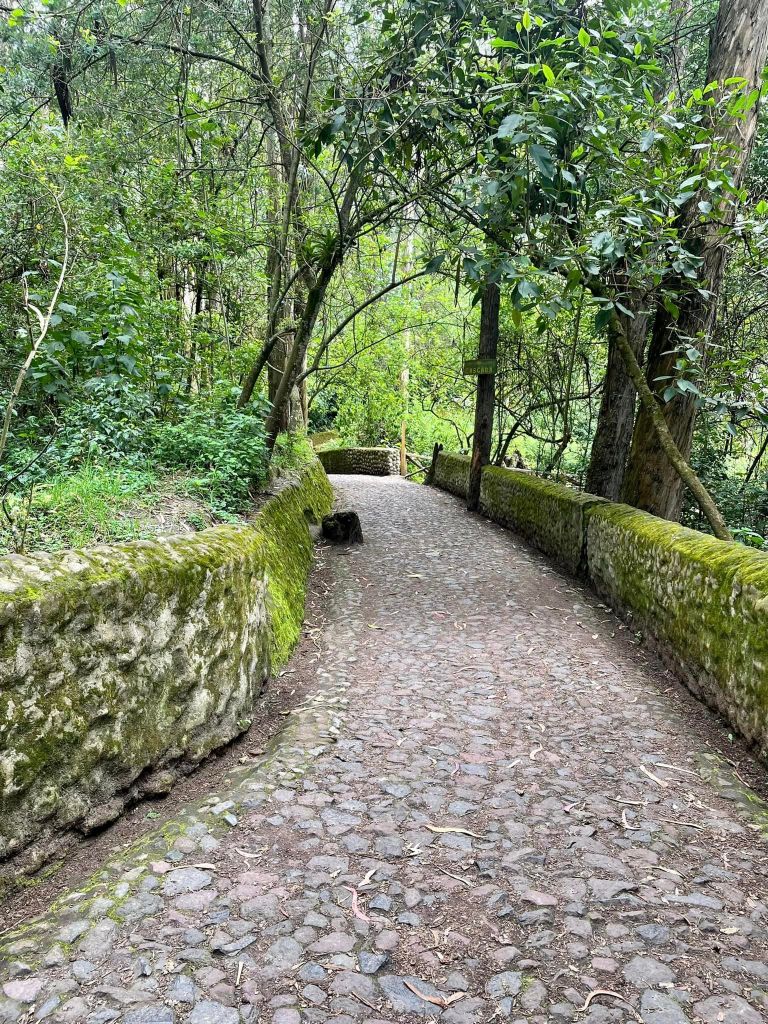
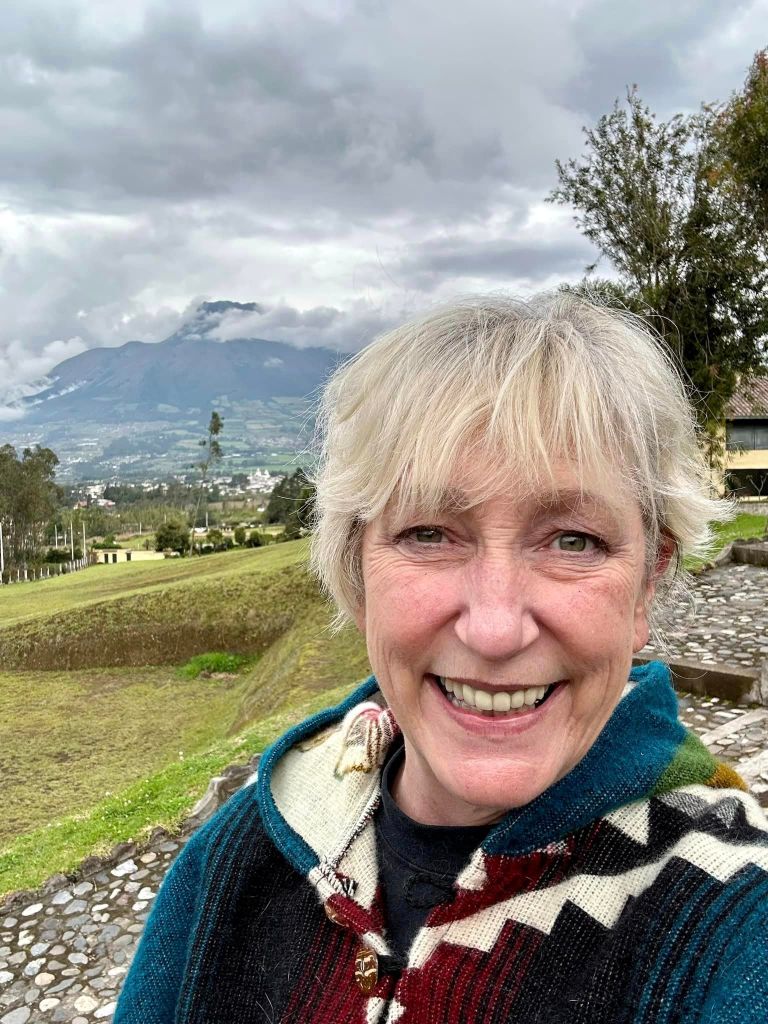
When I did come with a friend to Cotacachi last November, I cried as we drove down into the valley that holds the pueblo between two volcanoes, Father Imbabura and Mama Cotacachi. Crossing the narrow bridge across the river encircling the town, I knew I was home. This is the part I can’t explain adequately enough to satisfy my former academic self. It’s not logical. In spite of the ethereal quality of living among the clouds, I am connected to this land in a profound way that I can’t articulate.
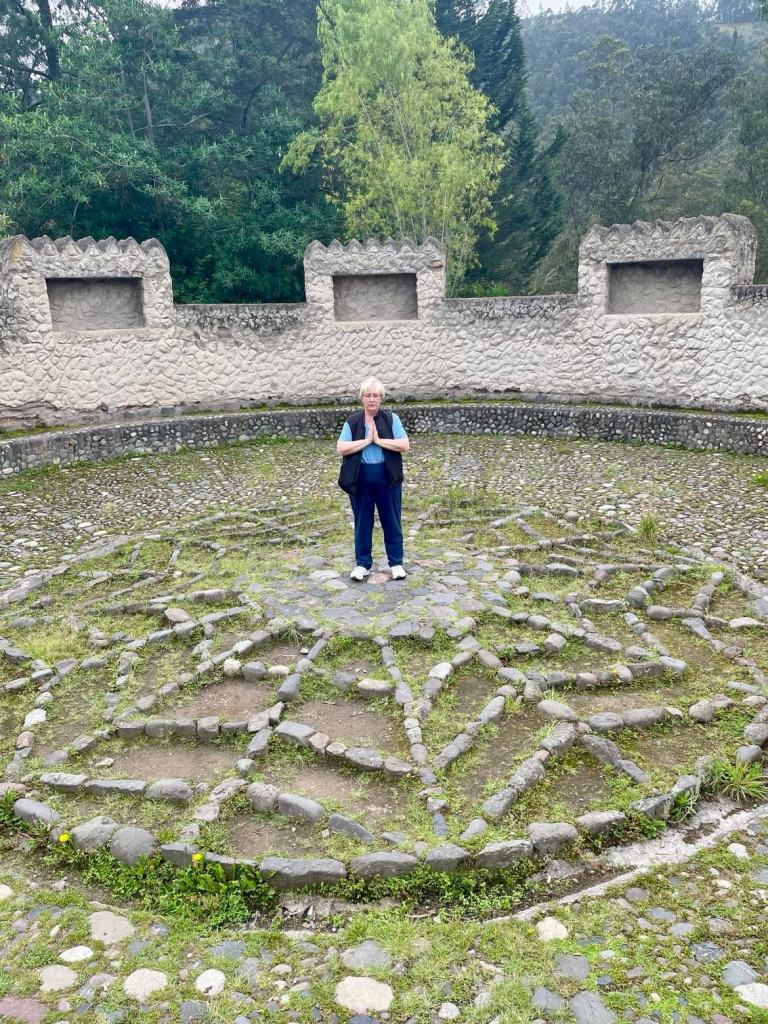
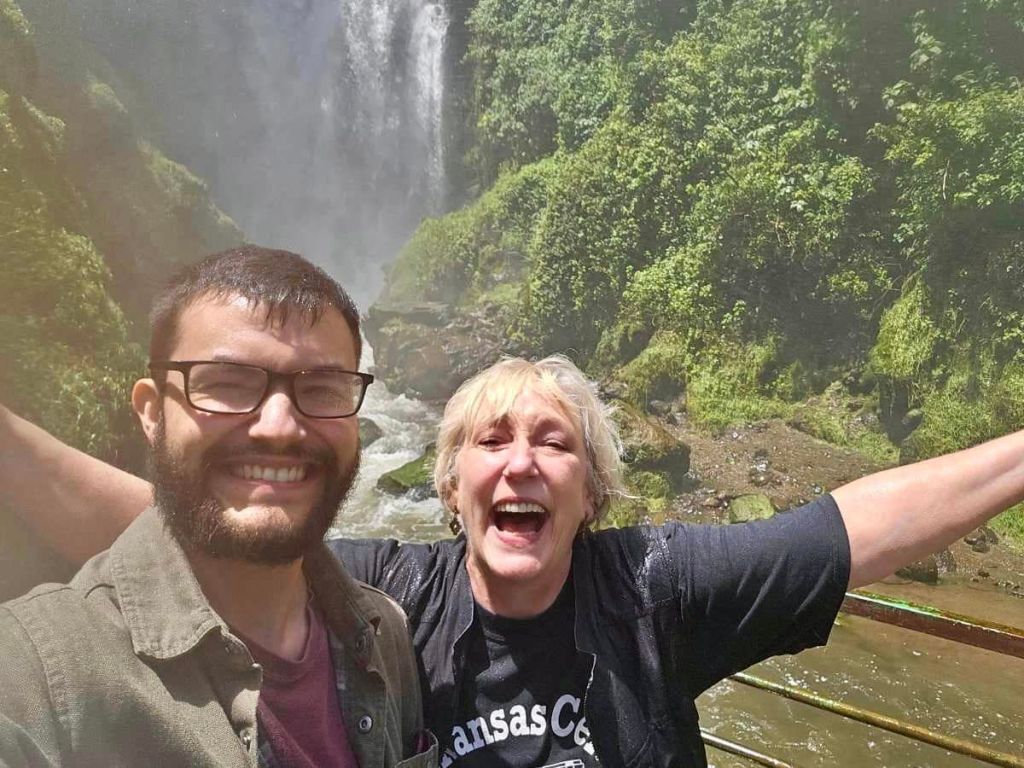
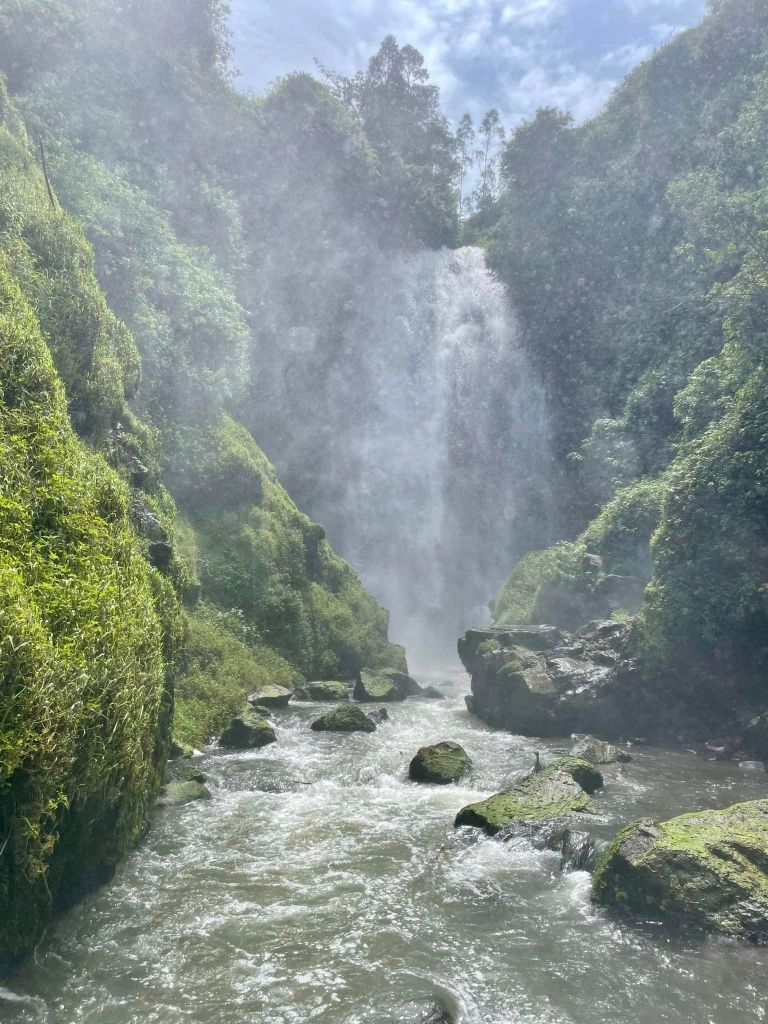
My friend and I stumbled onto a pre-Incan site on our way to Peguche Waterfall in nearby Otavalo. No signs explain its purpose or who built it, but the energy of the place is palpable. I told my friend who accompanied me on my exploratory trip to stand in the center for a picture. When he began to say something to me after the photo, he stopped abruptly with his eyes stretched wide. “Come here, ” he said. “Stand in the center and say something.” When I did, the sound of my voice echoed back to me, creating a vortex of vibration that I could feel in my bones. I received my Reiki Master attunement in the center of Stonehenge, but this experience at Peguche was more powerful. It brought tears to my eyes. I felt like a planet in orbit around a sun, finally finding my groove in the universe. It felt like falling into place, like moss settling between stones in an ancient forest.

Geographic and Metaphysical Harmony
I have found balance here. Ecuador is named for the equator, the imaginary line that brings together the northern and southern hemispheres. I just learned on the summer solstice as I stood at the geographic marker for the equatorial line outside of Cayambe, Ecuador, that the Andes mountains here provided the necessary fixed high points for geographers from France to measure and mark the equator. The rest of the equatorial line lies in the jungle or water. So I live in a unique place–a place of equilibrium. I live high in the mountains on the center of Earth. All I can say is I experience stability here and–ironically–I feel lighter here. And it’s not just from lack of oxygen. It could be that I’m on the farthest point from the center of Earth’s magnetic pull because of the way Earth bulges in the center. Whatever it is, I feel calm, centered, and balanced for the first time in my life.

Kichwa Culture
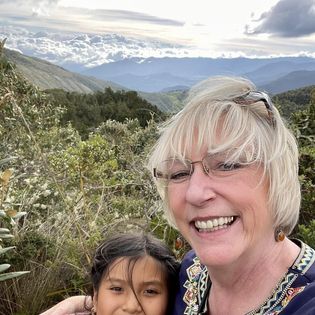
Part of the tranquility I experience here comes from the culture. The people live closer to nature here and move in a slower rhythm with more purpose. I particularly love the indigenous Kichwa people I have met. They smile, laugh, and radiate a vibrant life energy. I watched a video on the Facebook page of a Kichwa friend that illustrates their joy. It was grown men playing musical chairs. And it wasn’t a drinking game. It was a large gathering of people (I assume extended family) in a courtyard, celebrating a birthday. They circled the chairs in relaxed strides, and when the music stopped, I laughed out loud as their beautiful braids swung around their backs when they leapt into the chairs leaving one man out. The whole birthday congregation giggled, and they continued after removing yet another chair. I’m beginning to understand that I’m here to learn from them: how to slow down, connect with life, and live with purpose.
So I moved to Ecuador first and foremost to fulfill a spiritual mission–to discover who I am at this point in my life. My only child is grown, my parents are dead (even though I still have a healthy step-father living in Arkansas), and I am happily single. I turn sixty this month. I don’t feel that my life is over; on the contrary, I feel that it is just now finally beginning. My life. I know many others have reached this point, too, and I hope this blog can address these spiritual issues and help others as we make this journey together.
Financial Reasons
I taught college English for thirty years. As a single mother without child support, I struggled financially. We had plenty to eat, a place to live, and we even traveled the world (my trips were free because I organized them and acted as chaperone). But as I slowly crept toward retirement age, I realized that I did not have enough money to retire–ever.
Before Ecuador
Years of stress had taken a toll on my health, and I needed a change. I quit teaching English and opened my own Reiki school when my son started college. Through the pandemic, I struggled but survived. When my son graduated from the University of Arkansas and began working, I got a jolting message from the universe.
My landlord sent me a letter. He wanted to sell my condo. Northwest Arkansas is one of the fastest growing areas of the United States. People are moving there for a lower cost of living, beautiful nature, and good jobs. The housing market rose astronomically. I had two months to find a new home and move.
Miraculously, I found another condo nearby, but the rent for nearly the exact same floorplan was $400 more per month. I made the leap and asked for guidance. I received very clear signs that I was supposed to make the move to Ecuador. I did lots of research, and I realized that I could continue teaching Reiki online and live for about a third of what I was spending in the U.S. I followed Amelia & JP on YouTube and bought their program to help me make the move.
Finances in Ecuador
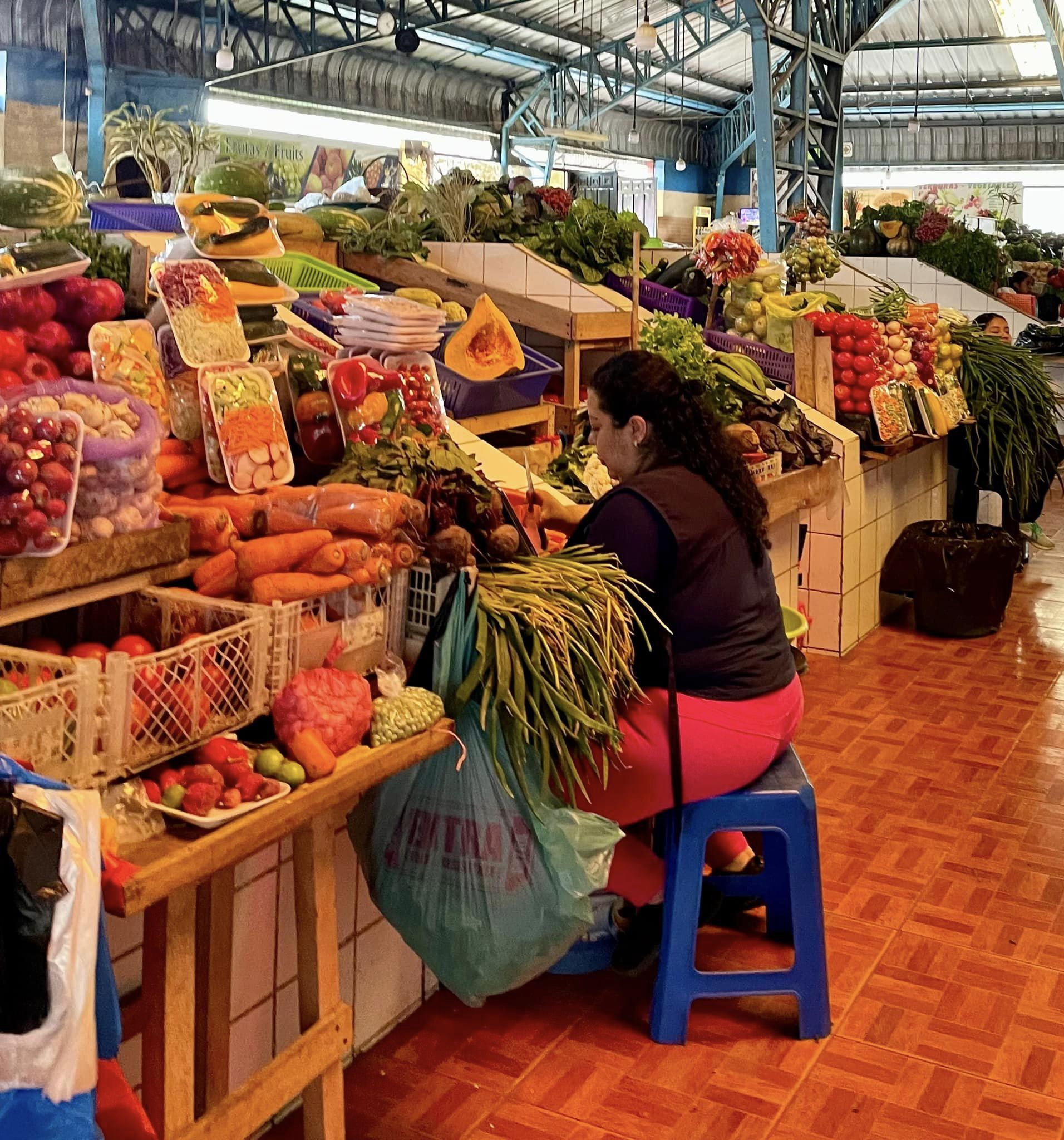
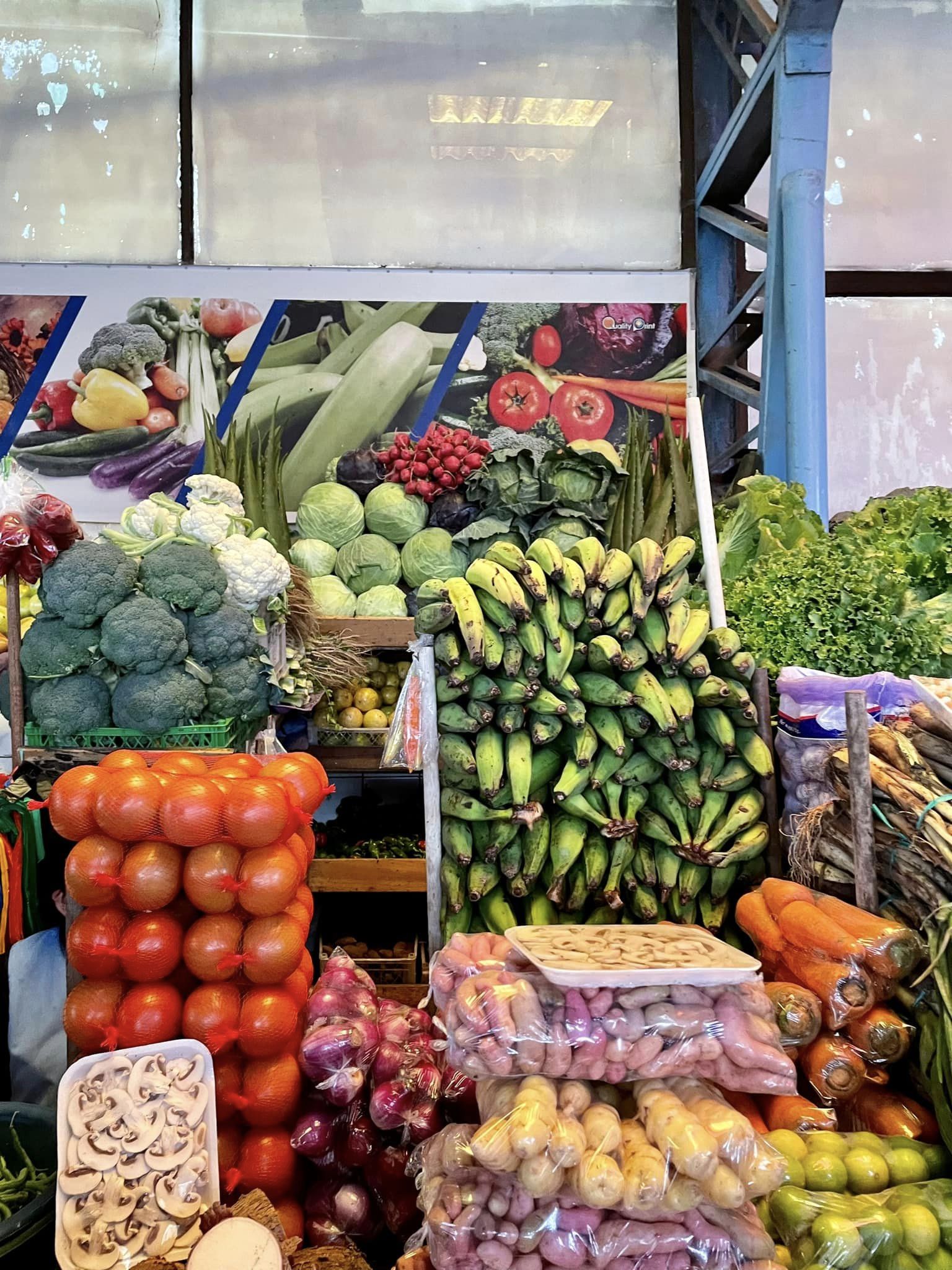
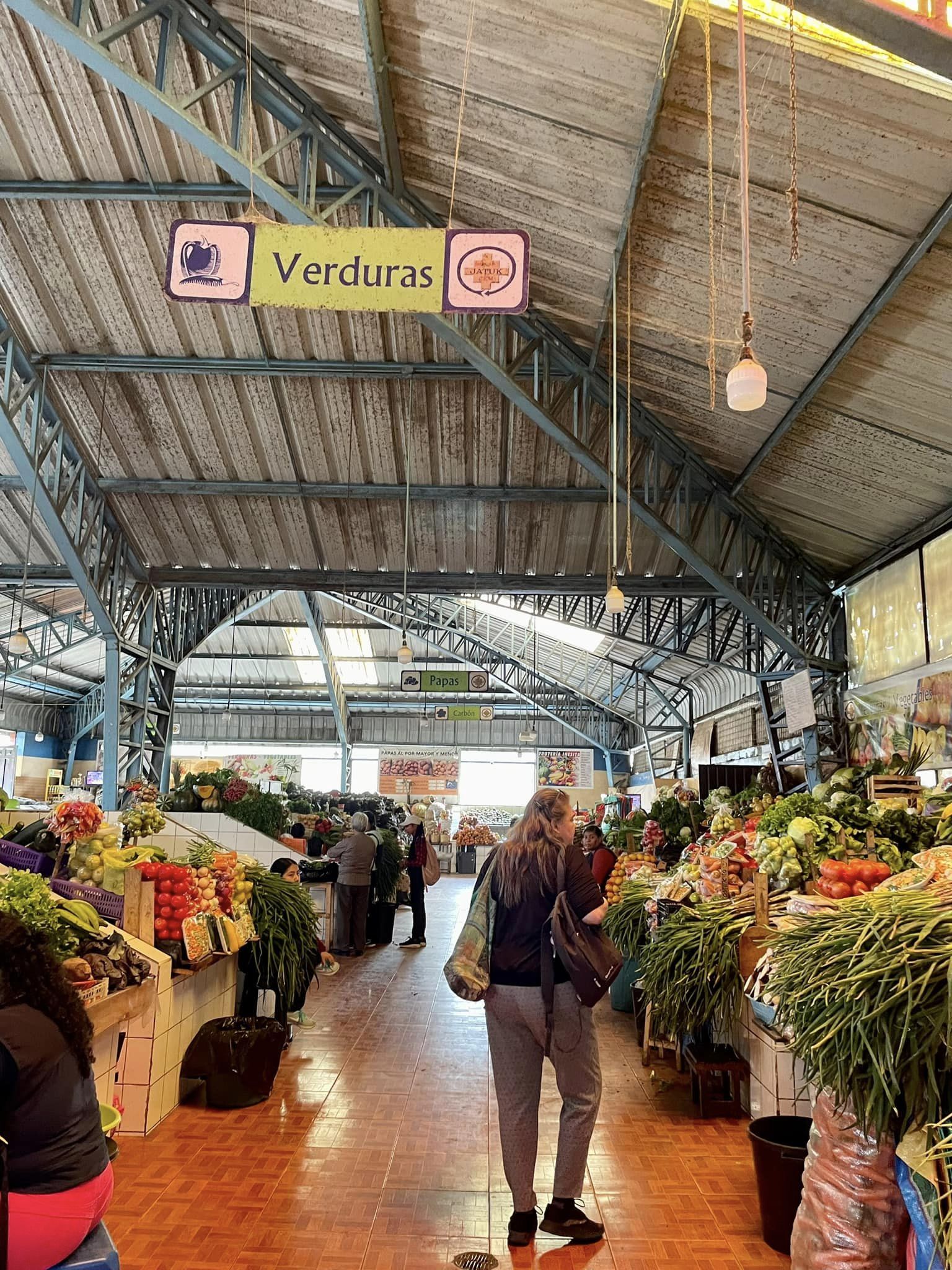
Ecuador uses the U.S. dollar, so it’s easy to compare. My rent on a fully furnished, two-bedroom, two-bath condo costs me $450 a month. That includes gardening and the water. My electric bill is under $30 every month because I don’t need heat or air conditioning. Gas for cooking and water heating costs me $8.00 a month. My high speed internet (faster than I had in Arkansas) costs me $54 per month, but adequate speeds are available for $30 a month. I don’t have a car, but I get a taxi into town for $2.50. The bus costs .35, but I haven’t taken it because the taxi is so cheap. I can get a ride to the airport in Quito, an hour and a half away for $65. I eat lunch in town–a complete meal with soup, main dish of meat/rice/potatoes/salad, a dessert, and a glass of juice for $3.00. Fresh fruits and vegetables are locally grown and cheap (think five avocadoes for $1.00). I have a great cell phone plan for $20 a month.
I live comfortably here for $1,100 a month. I feel as if I can take a deep breath for the first time in my life.
Health Reasons
I have heart disease and asthma. I want to live in a place that helps improve my health as much as possible.
Ecuador’s Climate
I can no longer tolerate the heat and humidity of the South in the U.S. And with climate change, I’m not sure the entire country won’t be heating up more. Places in the U.S. with good climates like the one in Ecuador come with high costs of living.
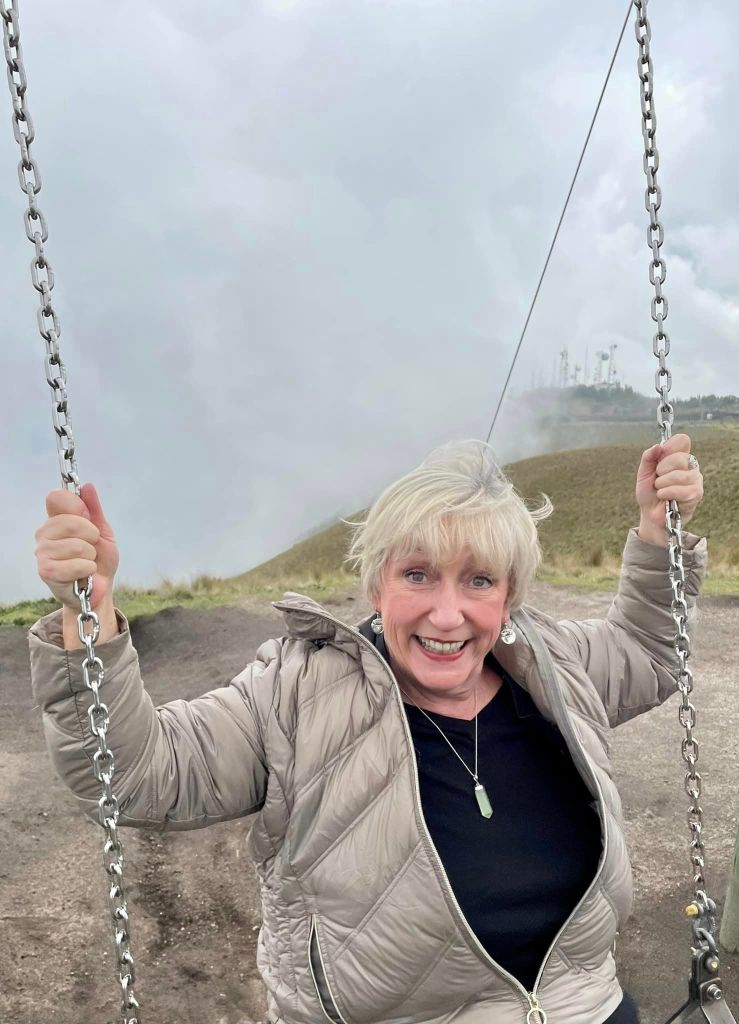
The beautiful spring weather in the Andes allows me to go out and walk more in my community and through town. Even though I’m at an altitude of almost 8,000 feet, I can breathe better. Maybe it’s the eucalyptus and pine forests surrounding my home. I take care to put on plenty of sunscreen before going out because the UV index can go over 11, but at least I get my vitamin D every day.
We joke that we have all four seasons in one day, especially during rainy season from October to May. It’s a chilly mid-forties in the morning, slowly climbing to the high sixties or lower seventies in the afternoon (with a rain shower in the afternoon during rainy season). In the direct Andean sun, it doesn’t take long to break a sweat.
Healthy Lifestyle
The fresh air and good climate contribute to the ability to grow beautiful organic fruits and vegetables. I have yet to sample all the new fruits. I’m still learning what they are and how best to eat them. I’ve lost ten pounds in the first three months of living here without even trying. I was eating a low-carb diet in the U.S. and struggling to lose weight. Here, I’m eating lots of carbs (rice, potatoes, corn, fruits), but the weight is disappearing anyway. I suppose the biggest difference between the U.S. and Ecuador is the availability of processed foods. If I can find them in Ecuador, they cost so much (almost four dollars for a can of Campbell’s soup, for instance) that I choose to eat something else.
Ecuador’s Healthcare System
Finally, Ecuador’s healthcare system boasts several advantages over the U.S. healthcare system, making it a good choice for someone like me. Bloomberg ranks Ecuador 20th in the world as compared to the United States’ ranking at 46th. Why does the Ecuadorian healthcare system rank so much higher than the U.S.’s system? Ecuador’s healthcare system, with its emphasis on universal access, preventive care, and cost regulation, presents a more inclusive and sustainable approach compared to the complex and often expensive nature of the U.S. healthcare system.
My Health Care
The price of healthcare in Ecuador is roughly one third of the cost in the U.S. I haven’t used my private health insurance yet, but it was rather inexpensive. I purchased a high deductible ($5,000) policy for $50 per month, and I have to purchase my prescription meds for pre-existing conditions for the first two years. They cost less than $70 per month, and I simply buy them at the pharmacy over the counter. The hospital where I live is too small and doesn’t offer much, but a decent hospital is a thirty-minute ride by taxi, and world-class healthcare in Quito is two hours away from where I live. The expats I have met tell me they have received excellent care here for all kinds of ailments, including my neighbor who had a knee replacement. Doctors here even make house calls. It’s no wonder so many Canadians and Americans decide to retire here.

Conclusion
From better health to a lower cost of living to achieving spiritual balance, I’m happy I chose to move to northern Ecuador. Of course, I’m too young to retire. I may never retire. I love teaching Reiki and helping people heal. But I suspect there’s more in store for my life. I’ve learned that you don’t have to have the final destination pinpointed on the map in order to start the journey.
Many of us have reached (or are approaching) this point where we begin to dream of a better life. Or maybe we’re just reaching the point where we can return to the Authentic Self, the people we were before we slipped into the roles of daughters and sons, wives and husbands, mothers and fathers, professionals and caregivers.
I hope you will accompany me on this adventure–be my tribe of seekers rediscovering who we truly are and what we want as we write the final act of this life’s glorious tragicomedy. Let my Andean odyssey serve as a metaphor for your own sojourn into your soul.
You can follow me on Facebook and Instagram with the hashtag #karinaandina and post questions and suggestions for posts in the comments.
 Karina Andina